THESIS
SUPERVISION
FEATURED
THESIS
I've had the privilege of supervising diverse and thought-provoking thesis projects that explore the many dimensions of Visual Communication Design. From interactive installations and animated narratives to socio-cultural campaigns and heritage-based design interventions, my students have consistently pushed creative boundaries. As a mentor, I focus on helping them blend concept with craft — guiding their journey from raw ideas to fully realized, research-backed visual outcomes.
BEYOND
BEYOND is a powerful 3D animated short film by Rehan Moazzam Khan, which I had the opportunity to supervise during its development. Created as a heartfelt tribute to his mother, who passed away during the COVID-19 pandemic, the film explores themes of grief, memory, and emotional resilience. Using Blender for character modeling and animation, and Unreal Engine for real-time rendering and immersive world-building, BEYOND showcases a seamless blend of technical skill and storytelling. Guiding Rehan through this emotionally charged and visually ambitious project was an incredibly meaningful and creatively enriching experience.
A LOST RITUAL
Lost Ritual is a 2D animated short film by Zarish Ahmed that beautifully weaves together forgotten folk tales, historical symbols, and the rich cultural heritage of Punjab. I supervised this project as it evolved into a visually captivating and narratively layered piece that aimed to revive traditional storytelling through a modern lens. Created using Toon Boom Harmony, the film skillfully blends expressive character animation with atmospheric settings rooted in Punjabi folklore. The project stands out for its thoughtful research, emotional depth, and its effort to preserve and reinterpret regional identity through animation.
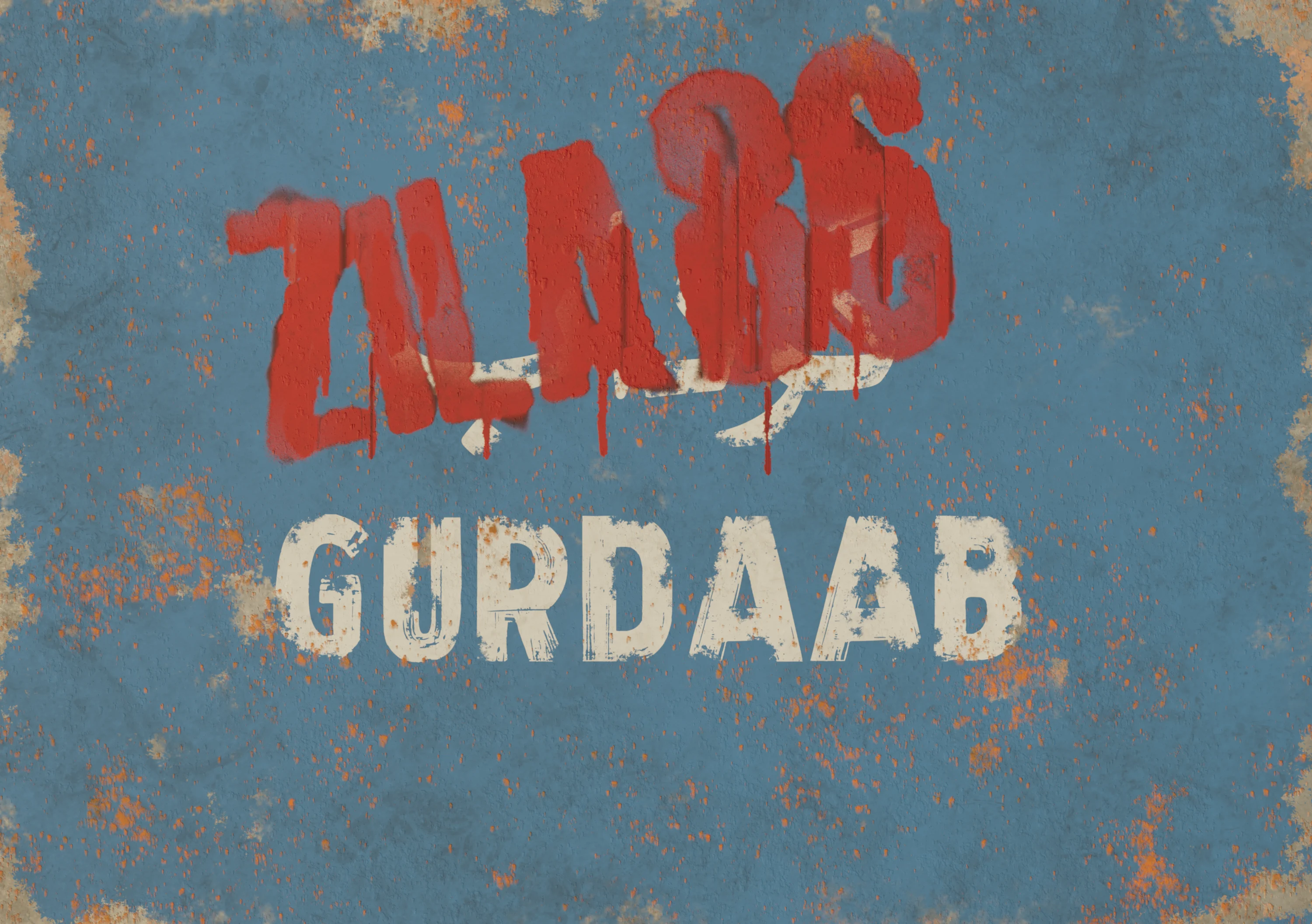
ZILA 86
Zila 86 (ضلع ۸۶) is a game art thesis project by Muhammad Moosa Ibrahim that I had the pleasure of supervising. Set in a fictional yet hauntingly familiar Pakistani town, the project explores dystopian themes through a strong visual narrative rooted in local culture, urban textures, and socio-political undertones. The project featured detailed world-building and character creation using Unreal Engine, MetaHuman, Blender, ZBrush, and Substance Painter, showcasing a high level of technical finesse. Zila 86 is a striking example of how game art can become a vehicle for storytelling, cultural commentary, and immersive design.